by gansie
Enjoy your weekly fix of Liz Lemon singing, crying and dancing about her love of food.
More Lemon:
Liz Lemon's Top 15 Tips for Better Eating
Top 10 Liz Lemon Food Moments (in GIFs)
All Liz Lemon Food Fix

Enjoy your weekly fix of Liz Lemon singing, crying and dancing about her love of food.
More Lemon:
Liz Lemon's Top 15 Tips for Better Eating
Top 10 Liz Lemon Food Moments (in GIFs)
All Liz Lemon Food Fix

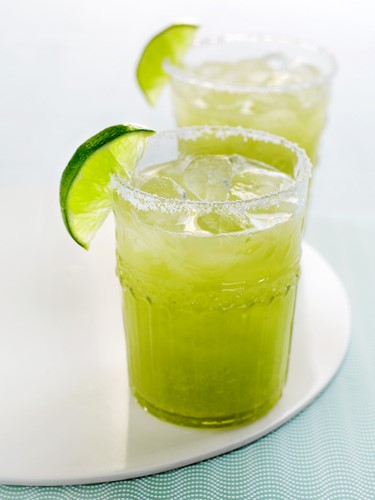
We are in no way obsessed. No really. We can surely go a day without dreaming about the luscious, creamy avocado and all of the ways to surrender to its perfection.
In case anyone else out there can’t get enough of the fruit, here’s another way to ingest it in liquid form. But this time, spiked with booze for a spin on a margarita. (Although I’m sure you haven’t tired from the chocolate avocado milkshake.)
Avo-Rita
Recipe from 101 Mojitos and other Muddled Drinks by Kim Haasarud (Wiley & Sons 2011).
During World War II the Brits came up with the slogan “Keep Calm and Carry On” to “raise the morale of the British public in the event of invasion,” according to Wikipedia. The propaganda posters never ended up being used, but have since spawned plenty of imitations: from the sweet to the naughty.
Of course, there’s been many “keep calm” posters created to show a love of food and booze. Because, who are we kidding, it’s super hard to keep calm when thinking about eating and drinking.
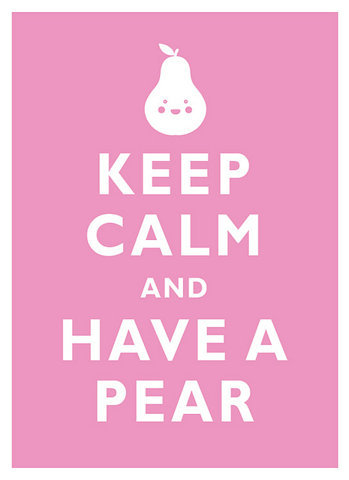
(Photo: Sambulance)
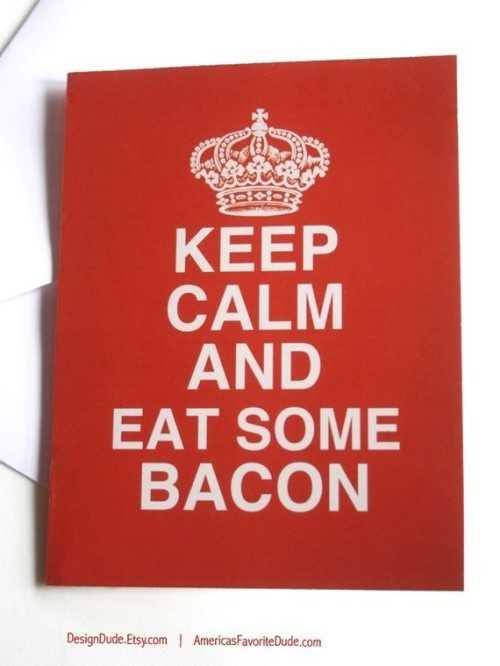
(Photo: It’s All About the Bacon)
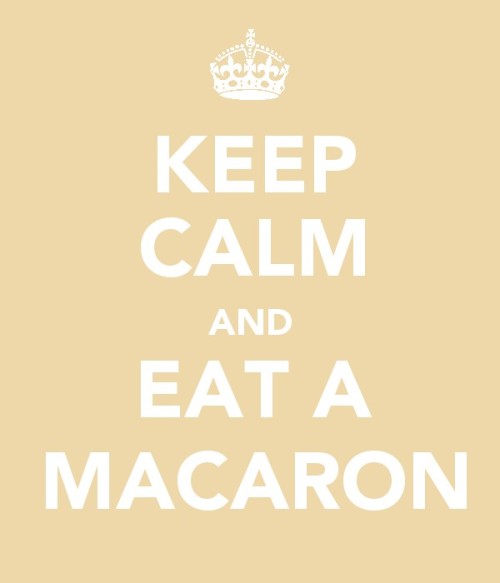
(Photo: Juggernaut)
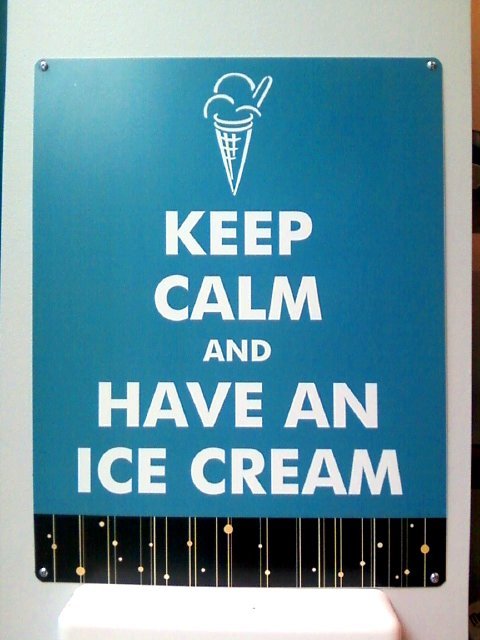
(Photo: Whatever You Are, Be A Good One…)
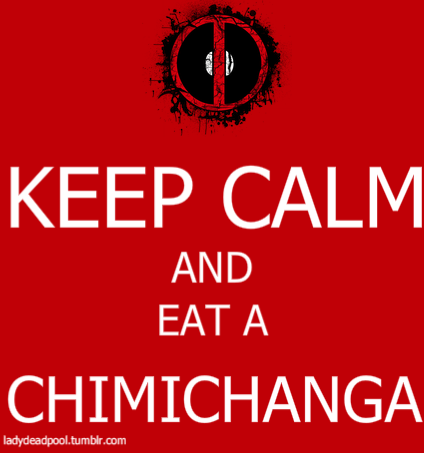
(Photo: Agent M Loves Tacos)
So I guess we’re kinda loving the hype around Judgement Day. Here’s one more sinful item to fill your body before the rapture of massive earthquakes and actual hell on earth occur.
Peace out!
(via our friend Gee @gchowdhry)
Enjoy your weekly fix of Liz Lemon singing, crying and dancing about her love of food.
More Lemon: Liz Lemon's Top 15 Tips for Better Eating Top 10 Liz Lemon Food Moments (in GIFs) All Liz Lemon Food Fix
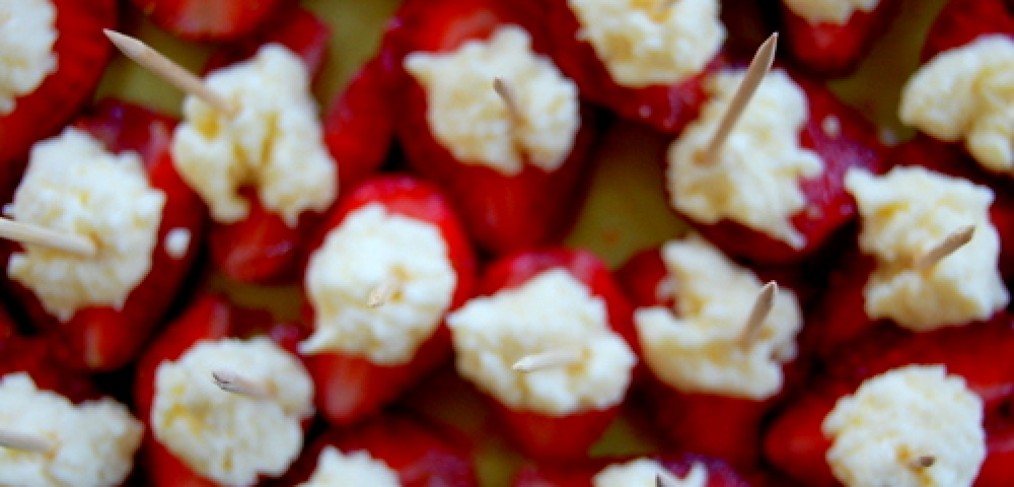
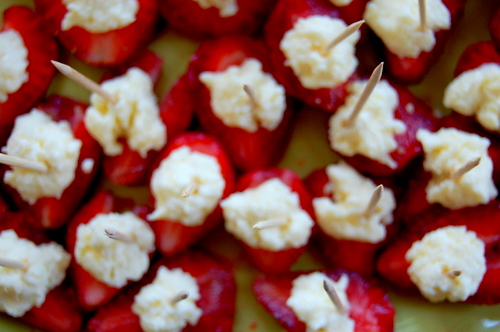
This time of year it’s hard for me to eat brunch at a restaurant. Instead of tired florentine or crab cake benedicts (or <gasp> buffets), I grab a bright red bike from the closest Capital Bikeshare dock and ride over to the farmers market. Asparagus bundles line the wooden tables. Bins of kale and spinach also take up plenty of space. But on Sunday, it was all about the strawberries. It was the first time I spied the sultry fruit this season and I couldn’t resist picking up 2 cartons (at $7) from the tiny Bloomingdale market.
The only mistake: riding my bike back home. The berries rumbled around in a box I borrowed from a vendor. When I opened it up at home, it looked like a crime scene as the berries stained the cardboard walls. I managed to save them and decided to use most of them up pretty quickly for a friend’s graduation party. (Congrats, El!) It’s a twist on strawberries and cream, and mostly all of the ingredients can be found at market.
Creating this still cheesy, but much fresher, dish makes me so freaking happy its spring! That was pretty lame, huh?!
Read More›

Today the Associated Press releases its first ever food section for the 2011 AP Stylebook. What does this mean for food lovers? We can finally settle the debate on what barbecue means: Can grilling and barbecuing be used interchangeably?
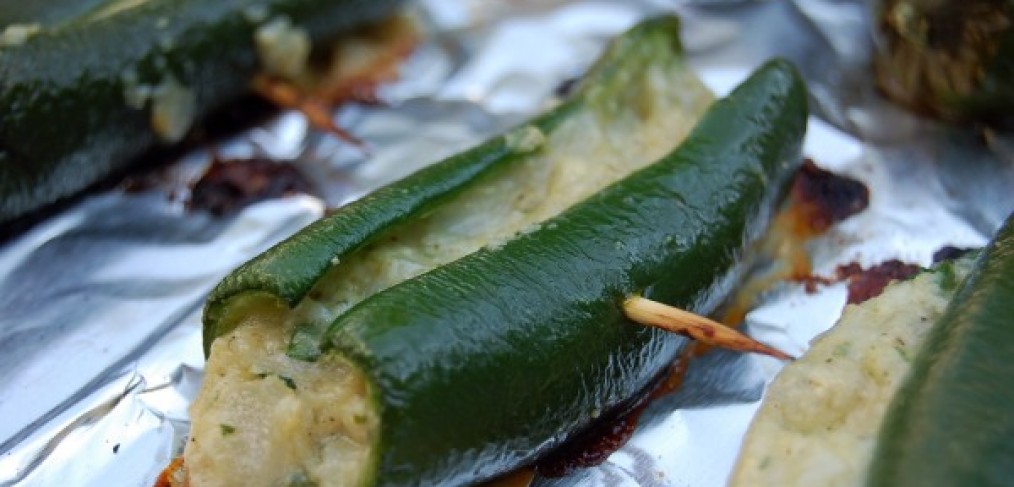
Growing up, I would use barbecue to simply mean a party where we grilled foods. We were not eating actual food that had been barbecued: no pulled meats, with either dry or wet rubs coating the skin. We ate dogs and burgers. As I learned more about the severity of the vinegar vs. tomato-based barbecue debates, I became careful not to use the term barbecue when I all I wanted to do was grill jalepeno poppers. Although, now it looks like I’ve been doing it right all along:
barbecue: The verb refers to the cooking of foods (usually meat) over flame or hot coals. As a noun, can be both the meat cooked in this manner or the fire pit (grill). Not barbeque or Bar-BQ.
But this isn’t the only food war settled. Among AP Food Editor Jason M. Hirsch‘s most interesting findings, which he detailed on a call last week:
Hirsch admitted he was “puzzled over whether to include foodie.” But he deemed the word “pervasive” enough in the culture to provide it a proper definition:
foodie: Slang for a person with a strong interest in good food.
While I hate the term, I do find it useful when describing the current crop of food lovers. It’s more fresh than gourmet: “a person who likes fine food and is an excellent judge of food and drink;” but also sits above the fine line of gourmand: “a person who likes good food and tends to eat to excess; a glutton.” (Or does it?)
My favorite find, though, brings me back to the frightening, yet ridiculous days of post 9/11: the changing of french fries to freedom fries. Why is the f in french not capitalized when talking about these magically fried spuds: “lowercase french because it refers to the style of cut, not the nation.”